Chronic Disease Management in El Monte & La Puente, CA
Overview of Chronic Disease Management Services
Chronic Disease Management in El Monte & La Puente, CA at Sreedhar Chava, MD focuses on the long-term evaluation, monitoring, and medical coordination of ongoing health conditions that require continuous care. These conditions often develop gradually and persist over time, requiring structured follow-up visits, diagnostic tracking, and periodic adjustments in treatment plans.
Chronic disease care is centered on stability, symptom control, and prevention of complications through ongoing clinical supervision. Patients are evaluated at regular intervals to assess disease progression, response to treatment, and changes in overall health status. This process ensures that medical decisions are based on current data rather than isolated assessments.
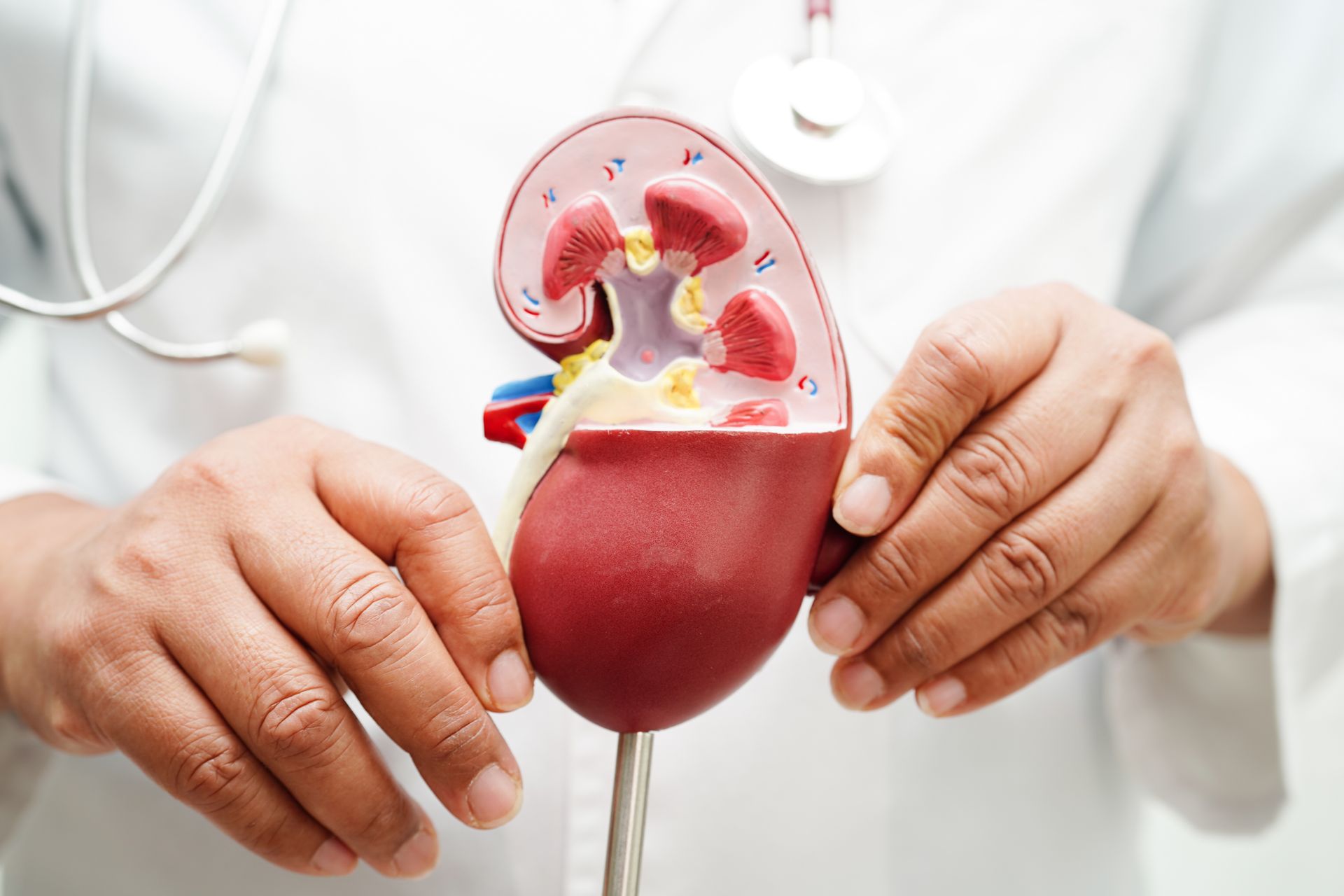
Long-Term Condition Evaluation and Monitoring
Ongoing monitoring is a key component of chronic disease management and involves repeated assessments to track changes in physical health and disease markers over time.
Continuous Health Status Review
Health status is reviewed during scheduled visits to evaluate symptom progression and identify any changes in condition severity. This includes discussing new symptoms, fluctuations in existing symptoms, and overall functional capacity.
Vital Sign and Clinical Measurement Tracking
Vital signs such as blood pressure, heart rate, and respiratory function are tracked over time. These measurements provide essential data for identifying trends that may indicate disease progression or instability.
Laboratory Test Monitoring
Routine laboratory testing is used to evaluate internal health markers. These may include blood glucose levels, cholesterol profiles, kidney function, and liver enzyme analysis depending on the condition being managed.
Diabetes Management and Metabolic Monitoring
Diabetes is one of the most commonly managed chronic conditions and requires ongoing assessment of glucose regulation and metabolic health.
Blood Glucose Evaluation
Blood sugar levels are monitored regularly to assess how effectively the body is managing glucose. This includes both short-term and long-term measurements to identify patterns in control.
Hemoglobin A1C Tracking
A1C testing is used to evaluate average blood glucose levels over time. This provides a broader view of metabolic control and helps guide treatment decisions.
Lifestyle and Metabolic Assessment
Dietary habits, physical activity levels, and weight changes are reviewed as part of diabetes management to understand how lifestyle factors influence glucose regulation.

Hypertension and Cardiovascular Condition Management
Hypertension and other cardiovascular conditions require ongoing monitoring due to their long-term impact on heart and vascular health.
Blood Pressure Monitoring
Blood pressure readings are tracked over multiple visits to evaluate consistency and identify patterns of elevation or improvement.
Cardiovascular Risk Assessment
Risk factors such as cholesterol levels, family history, and lifestyle indicators are reviewed to assess overall cardiovascular health status.
Heart Function Evaluation
When appropriate, additional diagnostic testing may be used to evaluate heart function and detect early signs of cardiovascular complications.
Respiratory and Pulmonary Condition Management
Chronic respiratory conditions require structured evaluation to maintain stable breathing function and reduce symptom flare-ups.
Asthma Symptom Monitoring
Asthma management includes tracking symptom frequency, trigger identification, and evaluation of respiratory function over time.
Chronic Respiratory Condition Evaluation
Conditions affecting long-term lung function are assessed through symptom review and physical examination focused on breathing capacity and oxygenation status.
Medication Response Assessment
Treatment effectiveness is evaluated by reviewing symptom control and frequency of respiratory episodes to determine if adjustments are needed.
Multisystem Chronic Condition Coordination
Some chronic diseases affect multiple organ systems and require coordinated management across different aspects of health.
Multi-Condition Interaction Review
When multiple chronic conditions are present, their interactions are reviewed to understand how one condition may influence another.
Medication Interaction Monitoring
Ongoing medication use is evaluated to ensure compatibility and reduce the risk of adverse interactions between prescribed treatments.
Integrated Care Planning
Care plans are structured to address overlapping symptoms and shared risk factors across multiple chronic conditions.
Ongoing Treatment Adjustment and Follow-Up Care
Chronic disease management requires periodic updates to treatment plans based on changes in health status and diagnostic findings.
Treatment Response Evaluation
Response to current therapies is reviewed during follow-up visits to determine effectiveness and identify areas requiring adjustment.
Symptom Progression Tracking
Changes in symptoms are documented over time to identify whether conditions are stable, improving, or progressing.
Scheduled Follow-Up Planning
Regular follow-up schedules are established to ensure consistent monitoring and timely intervention when needed.


Preventive Monitoring Within Chronic Care
Preventive monitoring is integrated into chronic disease management to reduce the risk of complications and detect early signs of deterioration.
Complication Risk Evaluation
Patients are assessed for potential complications associated with long-term conditions, including organ damage or functional decline.
Routine Screening Integration
Preventive screenings are incorporated into chronic care visits to monitor overall health status beyond the primary condition.
Long-Term Health Surveillance
Continuous surveillance allows for early detection of changes that may require medical intervention before symptoms become severe.
Chronic Disease Management at Sreedhar Chava, MD in El Monte & La Puente, CA provides structured, ongoing medical evaluation and coordination for long-term conditions, focusing on continuous monitoring, diagnostic tracking, and individualized treatment oversight across multiple health systems.