Hangover IV Therapy in El Monte & La Puente, CA
Overview of Hangover IV Therapy Services
Hangover IV Therapy in El Monte & La Puente, CA at Sreedhar Chava, MD is a medically supervised supportive care service designed to address dehydration and related symptoms following alcohol consumption. The focus of this service is on clinical evaluation and intravenous fluid support to help restore hydration balance and manage common post-alcohol symptoms such as headache, fatigue, nausea, and dizziness.
This therapy is delivered within a primary care setting, meaning every treatment is preceded by a medical assessment to ensure it is appropriate for the patient’s condition. The goal is not to treat alcohol use itself, but to address the physiological effects that may occur after consumption, particularly fluid imbalance and electrolyte disruption.
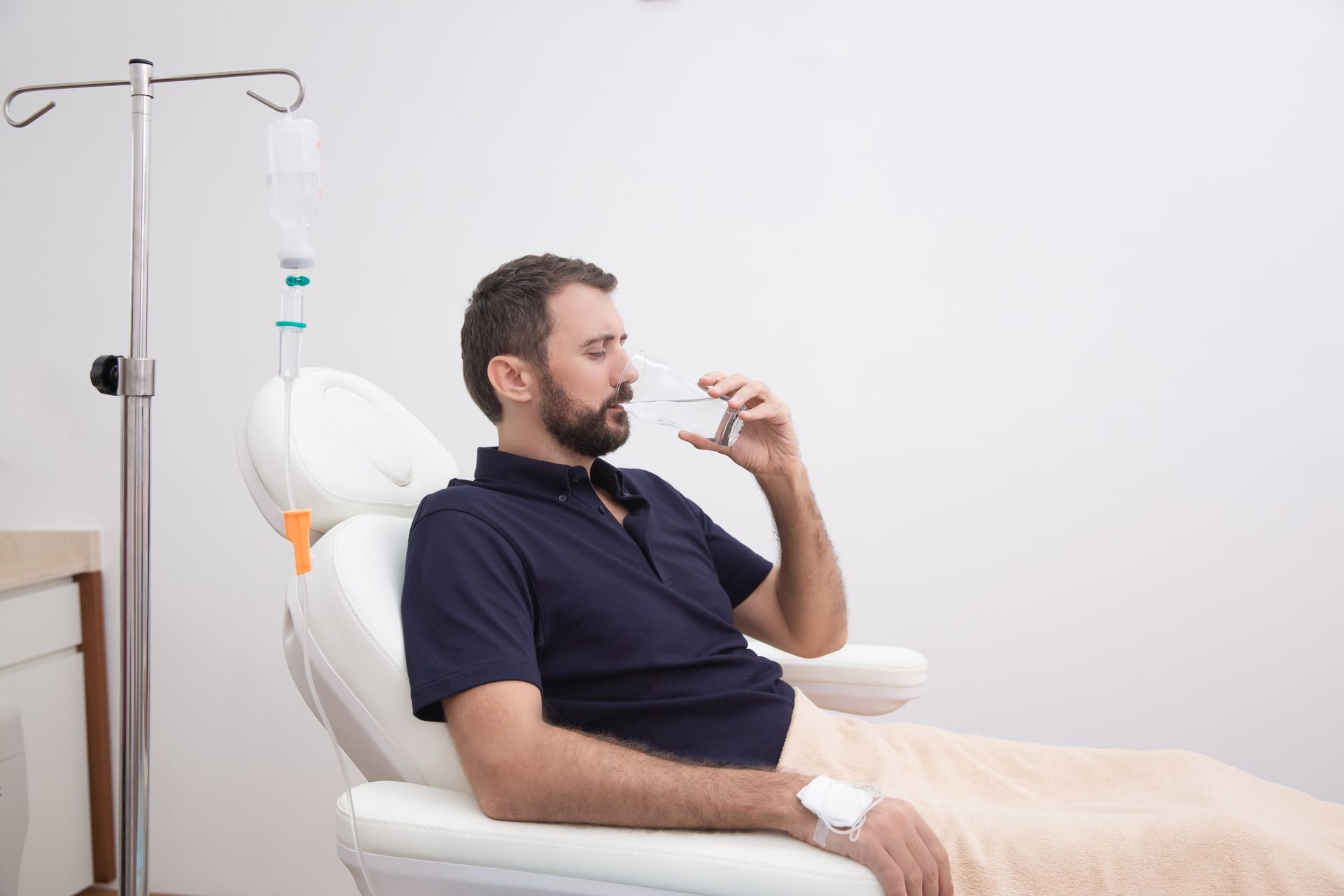
Clinical Evaluation Before IV Therapy
Before administering Hangover IV Therapy, a structured clinical assessment is performed to determine whether intravenous treatment is safe and appropriate for the patient.
Symptom and Hydration Assessment
Patients are evaluated for signs of dehydration and post-alcohol effects, including dry mouth, dizziness, weakness, nausea, and headache severity. Hydration status is a key factor in determining whether IV therapy is needed.
Medical History Review
A review of medical history is conducted to identify any conditions that may affect fluid balance or IV therapy safety. This includes kidney function concerns, cardiovascular conditions, and medication use that may interact with fluid administration.
Vital Signs and Clinical Stability Check
Vital signs such as blood pressure, heart rate, and temperature are assessed to ensure the patient is clinically stable prior to receiving IV fluids.
IV Fluid Support and Electrolyte Replenishment
A central component of Hangover IV Therapy is the restoration of fluid balance and electrolytes through intravenous administration.
Intravenous Hydration Delivery
IV fluids are administered directly into the bloodstream to rapidly address dehydration that may result from alcohol-related fluid loss. This method allows for controlled and efficient fluid replacement.
Electrolyte Balance Restoration
Electrolytes such as sodium, potassium, and chloride may be included in IV solutions to support cellular function and fluid regulation. These elements play a role in maintaining normal muscle and nerve activity.
Fluid Absorption Efficiency
Unlike oral hydration, intravenous delivery bypasses the digestive system, allowing for immediate absorption and more direct restoration of fluid levels in the body.

Symptom Management in Hangover Care
Hangover IV Therapy also focuses on managing common symptoms associated with post-alcohol recovery through supportive medical care.
Headache and Fatigue Evaluation
Headaches and fatigue are commonly associated with dehydration and metabolic imbalance. These symptoms are evaluated in relation to fluid status and overall physiological recovery.
Nausea and Gastrointestinal Discomfort
Nausea and stomach discomfort are assessed as part of the overall clinical presentation. Symptom severity is monitored to determine response to hydration therapy.
Dizziness and Lightheadedness
Dizziness is evaluated in connection with blood pressure changes and fluid depletion. IV hydration may support stabilization of these symptoms.
Clinical Monitoring During Treatment
All Hangover IV Therapy sessions are conducted under medical supervision to ensure patient safety throughout the infusion process.
Vital Sign Monitoring
Blood pressure, pulse rate, and overall clinical stability are monitored before, during, and after IV administration to ensure safe fluid delivery.
Observation of Treatment Response
Patients are observed for changes in symptom severity during therapy, including improvements in hydration-related discomfort or energy levels.
Safety and Tolerance Evaluation
Clinical staff assess tolerance to IV fluids to ensure there are no adverse reactions during treatment.
Recovery Support and Short-Term Care Focus
Hangover IV Therapy is intended as a short-term supportive intervention focused on recovery from temporary dehydration and related symptoms.
Short-Term Symptom Relief Focus
The therapy is designed to support recovery from acute symptoms rather than long-term medical conditions. It is used to address immediate post-exposure effects.
Hydration Recovery Support
Restoring fluid balance is central to the recovery process, helping the body return to normal physiological function following dehydration.
Metabolic Rebalancing Support
IV therapy may assist in supporting metabolic recovery by improving fluid and electrolyte availability within the body.
Follow-Up Care and Medical Integration
Even though Hangover IV Therapy is a short-term service, it is still integrated into a broader primary care framework when necessary.
Post-Treatment Evaluation
After IV administration, patients are evaluated for improvement in hydration status and symptom relief.
Documentation of Clinical Response
Treatment details and patient response are documented as part of the medical record for continuity of care.
Further Medical Evaluation When Needed
If symptoms persist beyond expected recovery time or if underlying conditions are suspected, additional medical evaluation may be recommended.

Hangover IV Therapy at Sreedhar Chava, MD in El Monte & La Puente, CA provides medically supervised hydration and electrolyte support designed to address dehydration-related symptoms and support short-term recovery within a structured clinical setting.