Preventive Care & Health Screenings in El Monte & La Puente, CA
Overview of Preventive Care and Health Screening Services
Preventive Care & Health Screenings in El Monte & La Puente, CA at Sreedhar Chava, MD focus on identifying potential health risks before symptoms develop and supporting long-term health monitoring through routine medical evaluation. This service is centered on early detection, allowing clinical findings to be addressed at an earlier stage when intervention may be more effective and outcomes more manageable.
Preventive care is structured around scheduled evaluations, diagnostic testing, and risk assessment based on individual health profiles. These services are designed to monitor changes in health status over time and detect early indicators of chronic or acute conditions.
Health Risk Evaluation and Medical Assessment
A key component of preventive care involves evaluating an individual’s overall health risks through clinical assessment and medical history review. This process helps identify conditions that may develop based on genetic, lifestyle, or environmental factors.
Medical History and Risk Factor Review
Medical history is reviewed to identify past illnesses, ongoing conditions, and hereditary risk factors. This information provides a foundation for determining which screenings or evaluations may be necessary.
Lifestyle and Health Pattern Assessment
Health patterns such as physical activity level, dietary habits, sleep quality, and stress factors are reviewed as part of risk evaluation. These factors play a role in determining susceptibility to certain medical conditions.
Baseline Health Measurements
Baseline measurements such as blood pressure, body mass index, and heart rate are used to establish reference points for future comparison during follow-up visits.
Routine Health Screenings and Diagnostic Testing
Preventive Care & Health Screenings in El Monte & La Puente, CA include a range of diagnostic tests designed to identify early signs of disease or abnormal health markers before symptoms appear.
Blood-Based Health Screening
Blood tests are used to evaluate cholesterol levels, blood sugar levels, organ function, and indicators of inflammation or infection. These tests help detect conditions such as diabetes, cardiovascular disease, and metabolic disorders.
Urine and Metabolic Analysis
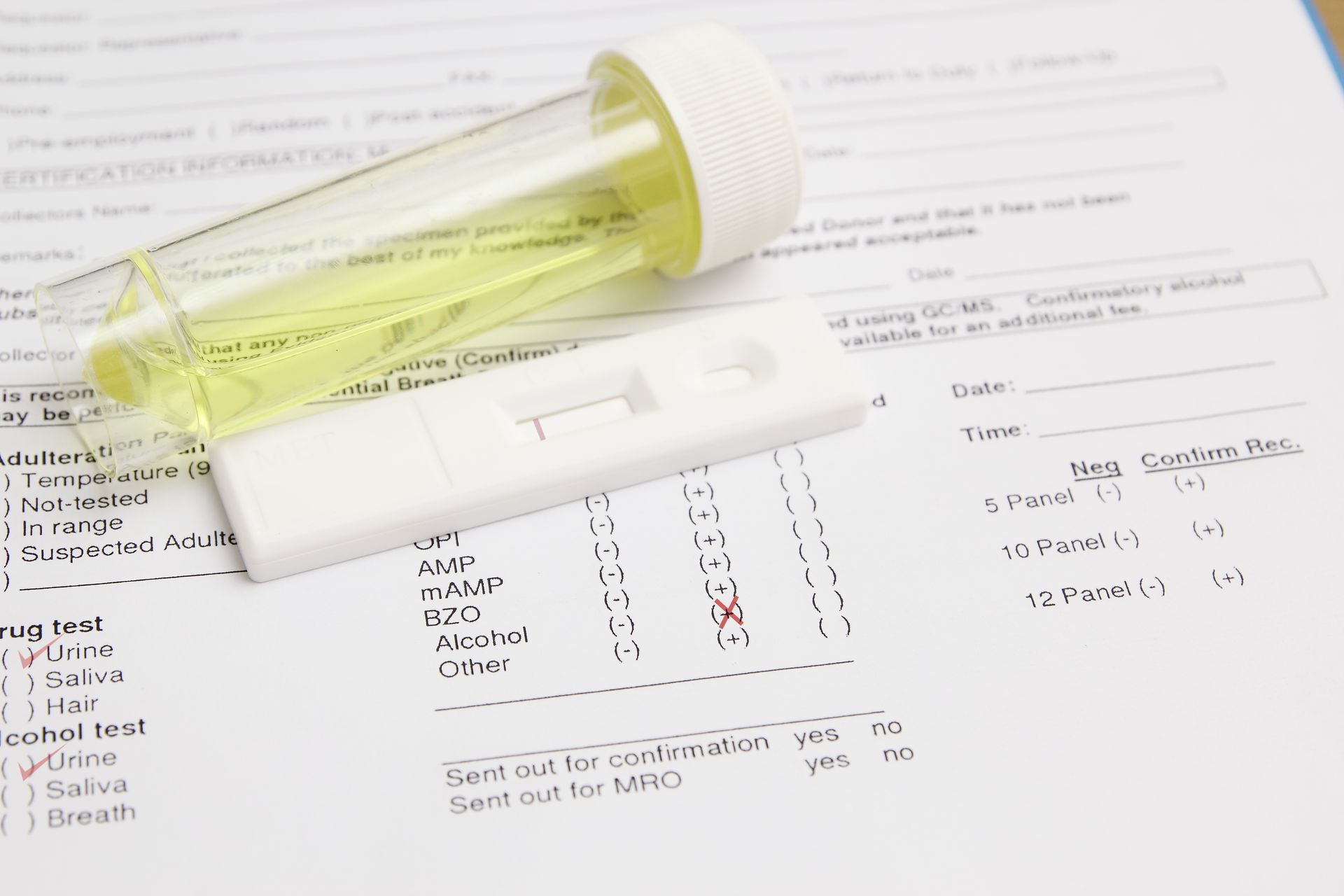
Urine testing may be conducted to assess kidney function, hydration status, and metabolic balance. These screenings can also assist in identifying early signs of urinary or systemic conditions.
Vital Health Indicators Monitoring
Vital health indicators are measured during screening visits to track changes in cardiovascular and respiratory function over time, helping identify early warning signs of disease progression.

Early Detection of Chronic Conditions
A primary goal of preventive care is the early identification of chronic conditions before they develop into more advanced stages. This allows for earlier intervention and structured monitoring.
Cardiovascular Condition Screening
Heart health is evaluated through blood pressure monitoring, cholesterol testing, and assessment of related risk factors that may contribute to cardiovascular disease.
Diabetes and Metabolic Disorder Detection
Glucose testing and metabolic evaluations are used to identify early signs of diabetes or insulin resistance. These conditions often develop gradually and benefit from early detection.
Thyroid and Hormonal Balance Assessment
Hormonal evaluations may be included when clinically appropriate to detect thyroid dysfunction or other endocrine-related conditions that can affect metabolism and energy levels.
Age-Based and Condition-Specific Screenings
Preventive screenings are often adjusted based on age, gender, and individual risk profiles to ensure that evaluations are relevant and clinically appropriate.
Age-Appropriate Health Monitoring
Different stages of life require different screening approaches. Preventive care protocols are adjusted to reflect changing health risks over time.
Condition-Driven Screening Plans
Patients with known risk factors or family history of specific diseases may require more frequent or targeted screenings to monitor for early development of related conditions.
Ongoing Health Surveillance
Regular monitoring allows for the comparison of results over time, making it easier to identify gradual changes in health status that may require further evaluation.
Clinical Interpretation and Follow-Up Evaluation
Screening results are reviewed in the context of overall health history to determine whether additional testing or follow-up care is needed. This step ensures accurate interpretation and appropriate next steps.
Diagnostic Result Review
Laboratory and screening results are analyzed to identify abnormalities or trends that may indicate underlying health issues requiring attention.
Medical Follow-Up Planning
If abnormal findings are detected, follow-up evaluations may be scheduled to confirm diagnosis or monitor changes over time.
Preventive Care Adjustment
Preventive care plans may be updated based on screening results to reflect new health information or emerging risk factors.
Long-Term Health Monitoring and Continuity of Care
Preventive Care & Health Screenings in El Monte & La Puente, CA also focus on long-term monitoring to maintain continuity of care and track health progression over time.
Ongoing Health Tracking
Regular screenings allow for continuous tracking of health indicators, making it easier to identify gradual changes that may not be noticeable in day-to-day life.
Integration with Primary Care Services
Preventive screening results are integrated with broader medical care to ensure consistency in diagnosis, treatment planning, and long-term health management.
Preventive Health Maintenance Planning
Long-term care planning is based on screening outcomes, helping guide future medical evaluations and monitoring schedules.

Preventive Care & Health Screenings at Sreedhar Chava, MD in El Monte & La Puente, CA provide structured evaluation, early detection, and ongoing monitoring designed to identify health risks before they progress into more serious conditions, supporting continuous and informed medical care.