Minor Medical Procedures in El Monte & La Puente, CA
Overview of Minor Medical Procedures
Minor Medical Procedures in El Monte & La Puente, CA at Sreedhar Chava, MD involve the evaluation and treatment of non-emergency conditions that require basic in-office medical intervention. These procedures typically address injuries, minor skin conditions, and simple clinical needs that do not require hospital-level care but still need professional medical attention.
Care is delivered in a controlled clinical environment where each procedure is preceded by an assessment of the patient’s condition, medical history, and wound or tissue status. The goal is to manage minor injuries safely, promote proper healing, and reduce the risk of complications such as infection or delayed recovery.
Wound Evaluation and Initial Assessment
Before any procedure is performed, a detailed evaluation is conducted to determine the severity and appropriate treatment approach for the wound or injury.
Injury and Wound Inspection
The affected area is examined to assess depth, size, contamination level, and tissue involvement. This helps determine whether simple wound care or suturing is required.
Bleeding and Tissue Assessment
Active bleeding is evaluated and controlled as part of the initial clinical assessment. Tissue condition is also reviewed to determine the extent of damage and healing potential.
Infection Risk Evaluation
The wound is assessed for signs of infection such as redness, swelling, warmth, or discharge. This helps guide treatment decisions and post-care management.
Wound Care and Dressing Management
Wound care is a core component of minor medical procedures and focuses on cleaning, protecting, and supporting the healing process.
Wound Cleaning and Irrigation
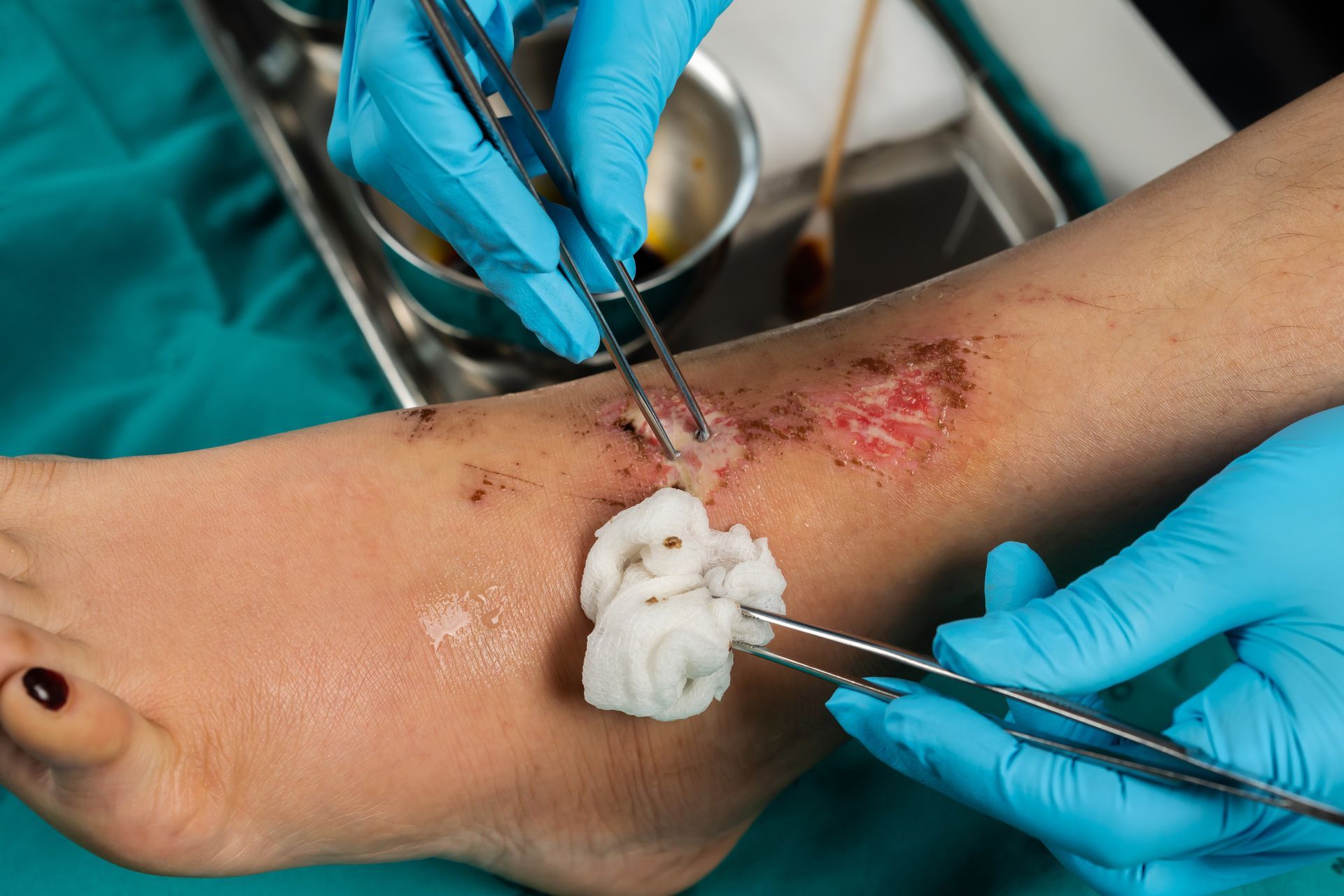
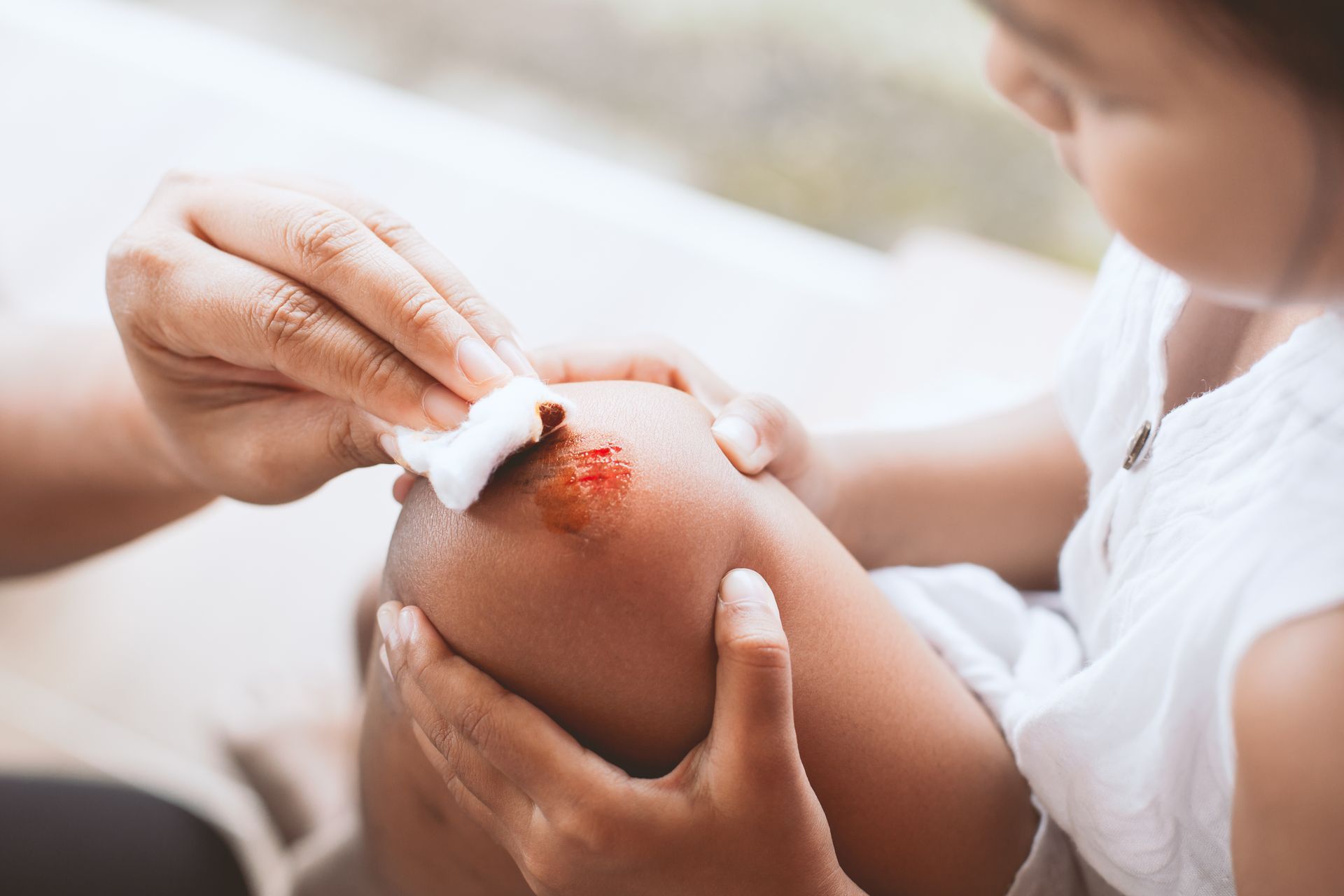
The wound is carefully cleaned to remove debris, bacteria, and foreign material. Proper irrigation helps reduce infection risk and prepares the area for further treatment if needed.
Dressing Application and Protection
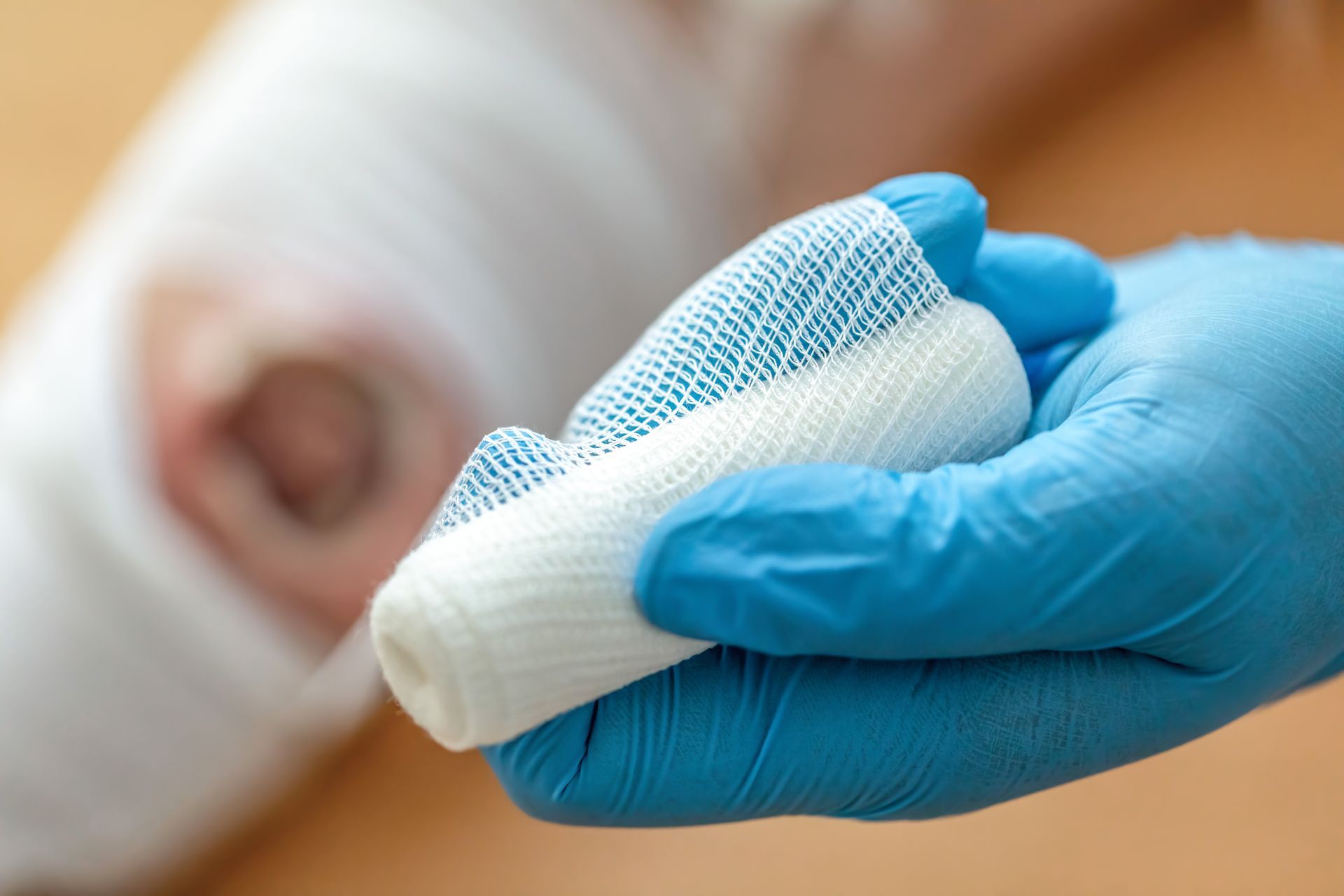
Sterile dressings are applied to protect the wound and maintain a clean healing environment. Dressings may be adjusted based on wound type and healing progress.
Ongoing Wound Monitoring
Wounds are monitored over time to assess healing progress and identify any signs of infection or delayed recovery.
Suturing and Closure Procedures
When wounds are deeper or involve skin separation, suturing may be performed to close the area and support proper healing.
Wound Closure Evaluation
The need for sutures is determined based on wound depth, location, and severity. Proper closure helps minimize scarring and promote tissue alignment.
Suturing Technique and Application
Sutures are placed to bring wound edges together, allowing natural healing to occur while maintaining structural integrity of the skin.
Post-Suture Care Instructions
Patients receive guidance on keeping the area clean, monitoring for infection, and returning for suture removal when appropriate.
Minor In-Office Procedures
Minor medical procedures may also include additional simple treatments performed in a clinical setting.
Skin Lesion and Irritation Management
Minor skin conditions such as irritations or small lesions may be evaluated and treated based on clinical findings.
Foreign Object Removal
Small foreign bodies embedded in the skin may be safely removed under clinical supervision when appropriate.
Basic Procedural Care Support
Other minor interventions may be performed depending on patient needs and clinical assessment during the visit.
Infection Prevention and Healing Support
A key focus of minor medical procedures is preventing infection and supporting proper healing after treatment.
Antiseptic Treatment and Care
Antiseptic measures are used during and after procedures to reduce bacterial exposure and support wound healing.
Healing Progress Monitoring
Follow-up evaluations may be recommended to ensure proper healing and detect any complications early.
Complication Risk Reduction
Care protocols are designed to minimize risks such as infection, reopening of wounds, or delayed tissue repair.
Follow-Up Care and Recovery Monitoring
After minor medical procedures, follow-up care ensures that healing progresses appropriately and that no complications arise.
Wound Healing Assessment
Healing progress is evaluated based on tissue recovery, reduction in inflammation, and closure of the wound area.
Suture Removal Scheduling
If sutures are placed, follow-up visits are scheduled for removal at the appropriate time based on wound location and healing status.
Ongoing Care Recommendations
Patients are given instructions for home care and advised on signs that may require further medical evaluation.
Minor Medical Procedures at Sreedhar Chava, MD in El Monte & La Puente, CA provide structured clinical care for wounds and minor conditions, including evaluation, wound care, suturing, and follow-up monitoring to support safe and effective healing in a primary care setting.